
Kangaroo Care | Frequently Asked Questions
What is Kangaroo Care?
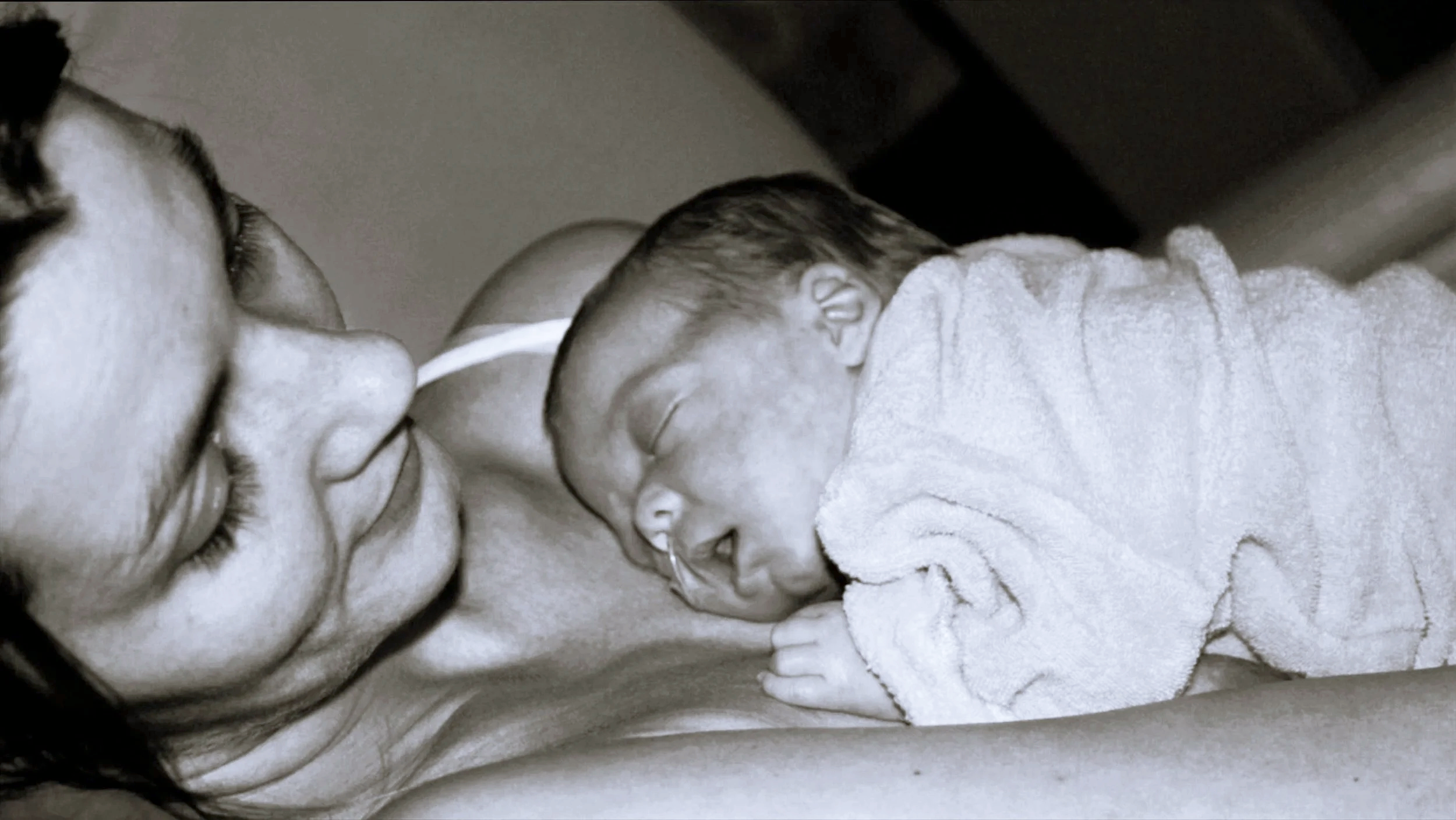
Kangaroo Care is skin-to-skin contact between a parent and baby, where the baby rests directly on the caregiver’s bare chest. It supports temperature regulation, heart rate stability, bonding, milk production, and nervous system development.
How is Kangaroo Care different from infant massage?
Kangaroo Care focuses on stillness and skin-to-skin contact, while infant massage involves gentle, intentional touch and movement. Both support attachment, digestion, sleep, and nervous system regulation — and can be practiced together or separately.
Can I practice Kangaroo Care and infant massage together?
Yes. Many families begin with skin-to-skin contact to regulate baby’s nervous system, then transition into gentle massage when baby is calm and receptive. Kangaroo Care can also follow massage to deepen bonding and integration.
Is Kangaroo Care only for premature babies?
No. While widely used in NICU settings, Kangaroo Care benefits full-term babies as well. It supports emotional bonding, breastfeeding success, reduced stress hormones, and healthy development in all infants.
How long should Kangaroo Care last?
Even 10–15 minutes can be beneficial. Longer sessions (30–90 minutes) may deepen regulation and rest. The key is consistency and attuned presence rather than duration.
Does Kangaroo Care help with colic or fussiness?
Skin-to-skin contact can reduce stress hormones, regulate breathing and heart rate, and support digestive comfort. Many parents notice improved calmness and sleep after consistent Kangaroo Care and massage practices.
→ Start Learning Infant Massage