

Mudras, Mantras, & Mindfulness | Simple Practices for Self-Awareness
At Hamsa Hands, we believe that healing and self-awareness should be accessible to everyone. Many practices that support emotional balance, clarity, and inner peace require nothing more than your breath, your awareness, and your own hands.
Mudras and mantras are ancient meditation tools used across contemplative traditions to cultivate calm, compassion, and presence. The beauty of these practices is their simplicity. They require no special equipment, no special training, and no cost.
These gestures remind us that the hands are not only instruments of action, but also tools for awareness, intention, and healing.
They can be practiced anywhere — sitting quietly at home, taking a mindful pause during a busy day, deepening a meditation practice, or even after a session of bodywork or self-care.
By placing the hands in symbolic gestures and gently focusing the mind through sound or breath, we create an opportunity to turn inward and reconnect with ourselves.
Practices like these invite us into reflection, awareness, and personal discovery. They are not meant to replace anyone’s beliefs or traditions, but rather to support a deeper sense of connection with oneself.
The practices shared here are offered as supportive tools for relaxation, meditation, and self-awareness. They are not intended to diagnose, treat, or replace medical or mental health care. Please consult a qualified healthcare professional for medical concerns.
A Note on Buddhist Philosophy
Some of the mudras shown on this page come from contemplative traditions within Buddhism. While Buddhism is sometimes described as a religion, many people engage with its teachings as a philosophy focused on cultivating awareness, compassion, and understanding.
Practices such as meditation, breathing awareness, and symbolic hand gestures like mudras are often used simply as tools to support mindfulness and self-reflection.
A statement often attributed to the spiritual teacher Tenzin Gyatso expresses this spirit well:
“Do not try to use what you learn from Buddhism to be a Buddhist;
use it to be a better whatever-you-already-are.”
These practices are shared here as gentle tools for awareness and reflection that people of many different backgrounds and beliefs may find helpful. Many people find that practices like these simply deepen their sense of compassion, presence, and connection within their own spiritual or personal traditions. Together, mudras and mantras offer a simple way to engage both the body and mind in meditation.
What Is a Mantra?
A mantra is a sacred sound, word, or phrase that is repeated during meditation.
The word comes from Sanskrit and is often understood as an instrument of the mind. In contemplative traditions, mantras are used to focus attention, calm mental activity, and cultivate qualities such as compassion, clarity, and wisdom.
Some mantras are spoken aloud, while others are repeated silently in rhythm with the breath.
When paired with a mudra, the gesture and the sound work together to support a deeper sense of presence, awareness, and inner stillness.
What Is a Mudra?
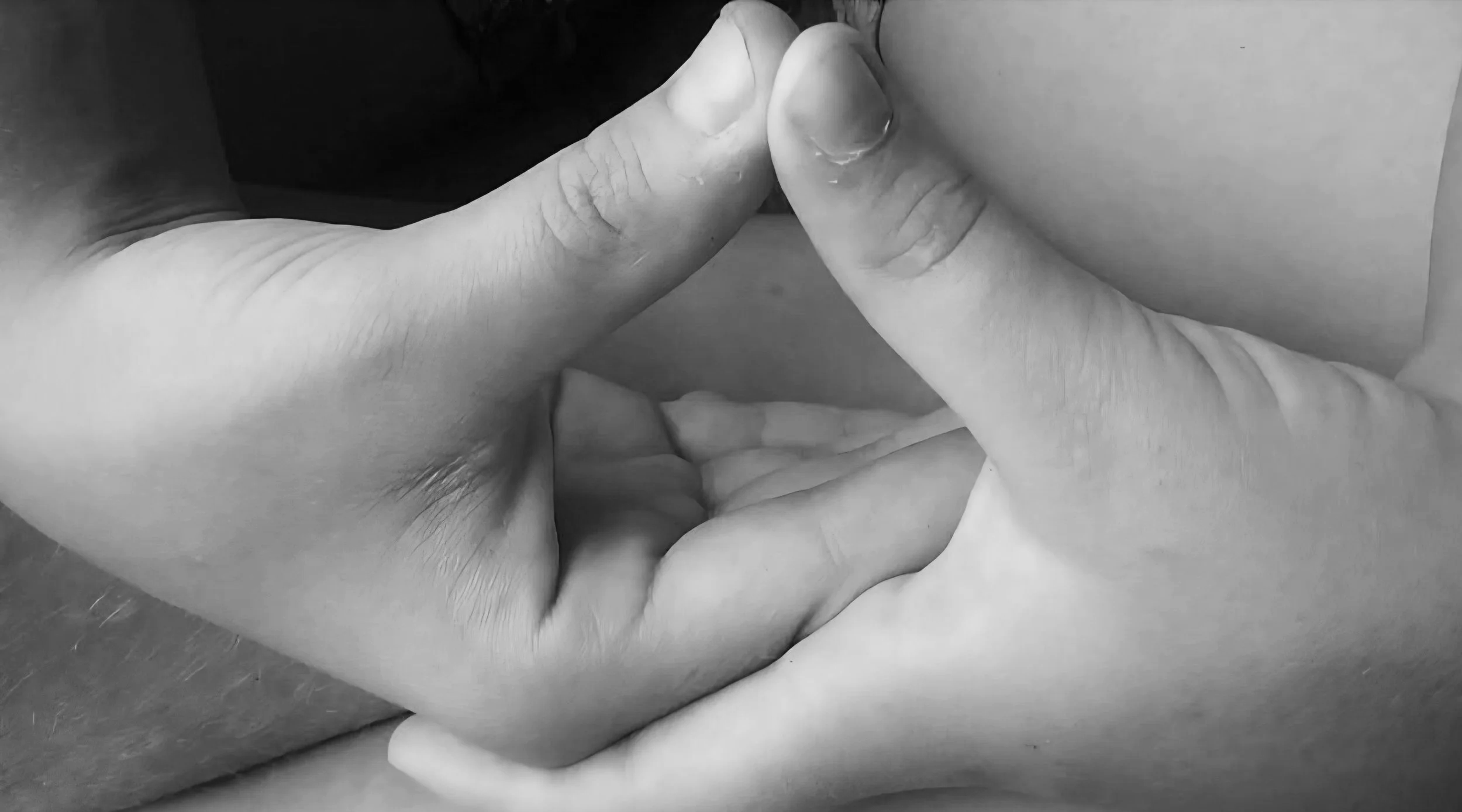
A mudra is a symbolic hand gesture used in meditation and contemplative practices. The word comes from Sanskrit and is often translated as seal, gesture, or symbolic expression.
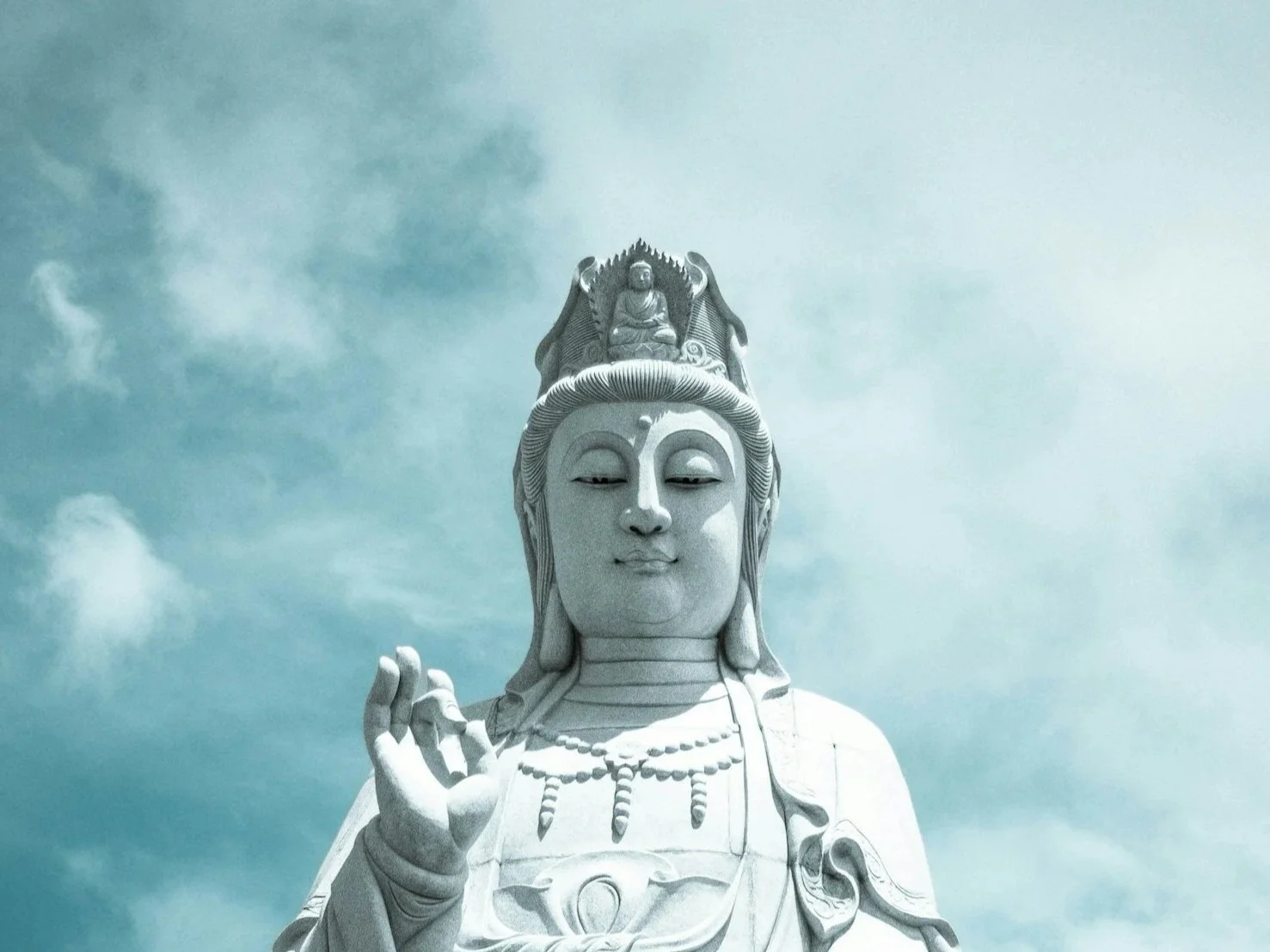
Mudras appear frequently in Buddhist art and statues of the Buddha, where each gesture represents a particular quality of mind, such as fearlessness, compassion, teaching, or meditation.
In personal practice, these gestures help bring gentle awareness to the body while supporting concentration, breath, and intention during meditation. Even simple hand positions can encourage the mind to settle and the body to relax, creating space for greater presence and self-awareness.
Bringing Mudras & Mantras Into Your Daily Practice
Mudras and mantras together create a powerful meditation practice that helps cultivate qualities such as compassion, wisdom, courage, and inner peace.
You may choose a mudra and mantra based on your intention for the day. Over time, these simple gestures can help guide the mind toward greater awareness, balance, and spiritual growth. There are many more mudras and mantras to be discovered, so we encourage you to delve deeper into your own exploration of these simple, yet powerful tools for self regulation and exploration.
Even a few minutes of daily practice can bring meaningful benefits to your everyday life.
Quick Guide | A Gentle Journey Through the Body
Mudras can be practiced individually, or explored as a quiet progression of awareness through the body. Each gesture invites attention to a different area, supporting balance, reflection, and inner presence.
Base of the Spine & Pelvic Floor
Abhaya Mudra | Fearlessness
Cultivates courage, stability, and a sense of inner safety.
Lower Abdomen & Hips
Matsya Mudra | Fluidity
Encourages emotional ease, nourishment, and gentle flow.
Upper Abdomen & Digestive Center
Surya Mudra | Radiant Light
Supports clarity, vitality, confidence, and personal power.
Heart & Chest
Hridaya Mudra | Inner Guidance
Supports compassion, emotional balance, and trust in inner wisdom.
Padma Mudra | Unconditional Love
Encourages openness, gratitude, empathy, and connection.
Throat & Neck
Garuda Mudra | Freedom
Supports expression, balance, and the release of tension in the neck and jaw.
Crown of the Head
Mani Ratna Mudra | Oneness
Supports integration, spiritual awareness, and a sense of unity.
Anjali Mudra | Reverence
Cultivates devotion, humility, and quiet presence.
You may choose the mudra that resonates most with you in the moment, or explore them sequentially as a quiet movement of awareness from the base of the body to the crown.
Abhaya Mudra | Fearlessness
Relates to: Base of the Spine & Pelvic Floor
Supports: Safety, Courage, Steadfastness
Mudra Instructions
Hold the right hand slightly cupped at shoulder height, palm facing outward.
Allow the right elbow to relax toward the waist while keeping the shoulders soft and relaxed.
Mudra Benefits
Reduces anxiety and promotes a sense of protection and grounding.
Supports healthy elimination and cultivates a steady sense of courage and inner stability.
Mantra Instructions & Benefits
LAM
Pronunciation: “Lahm”
Meaning: Seed sound of the root chakra associated with stability and grounding.
Benefit: Encourages feelings of safety, grounding, and emotional stability.
Affirmation
My courage and self-assurance are unwavering.
Matsya Mudra |Fluidity (Hamsa Hands)
Relates to: Lower Abdoment & Hips
Supports: Inner Ease, Emotional Refreshment, Muscular Release
Instructions
Place the right palm over the left hand, both hands facing downward.
Keep the fingers stacked and extended, while the thumbs extend outward to the sides.
Hold the hands in front of the abdomen, with fingers extending outward away from the body.
Relax the shoulders and lengthen the spine.
Benefits
Releases muscular contraction and supports the joints.
Helps ease inflammation while cultivating emotional fluidity and calmness.
Mantra
VAM Pronunciation: “Vahm”
Meaning: Seed sound of the sacral chakra associated with flow, creativity, and emotional balance.
Benefit: Encourages emotional ease, creative expression, and adaptability.
Affirmation
Gentle waves of ease flow through my body and mind.
Surya Mudra | Radiant Light
Relates to: Upper Abdomen & Digestive Center
Supports: Clarity, Power, Self Esteem
Instructions
Bend the ring finger of each hand and bring it to the thumb.
Extend the remaining fingers.
Rest the hands on the thighs with palms facing upward.
Relax the shoulders and lengthen the spine.
Benefits
Supports digestion and helps assimilate life experiences.
Encourages healthy metabolism and detoxification while cultivating vitality, passion, and clarity.
CAUTION
Those with digestive sensitivity should practice gently and with awareness.
Mantra
RAM Pronunciation: “Rahm”
Meaning: Seed sound of the solar plexus chakra associated with vitality, transformation, and personal power.
Benefit: Stimulates energy, confidence, and motivation.
Affirmation
My inner Light is vibrant, luminous, and alive.
Hridaya Mudra |Inner Guidance
Relates to: Heart
Supports: Insight, Self-Compassion, Safety
Mudra Instructions
Place the right hand over the heart.
Place the left hand on top of the right hand.
Relax the shoulders and lengthen the spine.
Mudra Benefits
Supports the heart and respiratory systems.
Releases tension in the chest and ribs while encouraging trust in inner wisdom and self-compassion.
Mantra Instructions & Benefits
YAM Pronunciation: “Yahm”
Meaning: Seed sound of the heart chakra associated with love, compassion, and emotional balance.
Benefit: Opens the heart to empathy, forgiveness, and inner harmony.
Affirmation
I listen openly and honor the voice of my heart.
Padma Mudra | Unconditional Love
Relates to: Heart
Supports: Open Heart, Gratitude, Empathy
Mudra Instructions
With fingers pointing upward, bring the heels of the hands together.
Keep the pinky fingers and thumbs touching, while spreading the other fingers outward like a blooming flower.
Hold the hands in front of the heart.
Relax the shoulders and lengthen the spine.
Mudra Benefits
Supports the cardio-respiratory and immune systems.
Encourages circulation in the chest, heart, and lungs while cultivating openness, gratitude, and love.
Mantra Instructions & Benefits
OM MANI PADME HUM Pronunciation: Ohm Mah-nee Pad-may Hoom
Meaning: “The jewel in the lotus.”
A mantra of compassion and awakened wisdom.
Benefit: Encourages loving-kindness, empathy, and heart-centered awareness.
Affirmation
My heart blossoms open with unconditional love.
Garuda Mudra | Freedom
Relates to: Throat & Neck
Supports: Opening, Balance, Expresssion
Mudra Instructions
Bring the left hand in front of the heart, palm facing inward with the thumb pointing upward.
Cross the back of the right hand behind the left palm until the thumbs meet.
Entwine the thumbs and spread the remaining fingers outward like wings.
Lift the mudra to the throat area.
Relax the shoulders and lengthen the spine.
Mudra Benefits
Directs breath and awareness to the neck and throat.
Supports alignment of the cervical spine and releases tension in the neck and jaw.
Helps balance energy and metabolism.
Mantra Instructions
HAM Pronunciation: “Hahm”
Meaning: Seed sound of the throat chakra associated with communication and authentic expression.
Benefit: Encourages clear communication, creativity, and honest self-expression.
Affirmation
I embrace the freedom and openness of my pure expression.
Mani Ratna Mudra | Oneness
Relates to: Crown of the Head
Supports: Spiritual Union, Balance, Integration
Mudra Instructions
Bend the index fingers inward and touch the tips of the index fingers to the thumbs.
Join the thumbs together and bring the hands so the base of the palms touch.
Extend the remaining fingers outward.
Relax the shoulders and move the elbows slightly away from the body.
Mudra Benefits
Supports balance throughout the body's systems.
Directs breath and awareness throughout the body and encourages connection to higher consciousness.
Mantra Instructions & Benefits
SO HUM Pronunciation: Soh Hum
Meaning: “I am That” — recognizing the unity between the individual self and universal consciousness.
Benefit: Encourages deep meditation, inner stillness, and awareness of interconnectedness.
Affirmation
I experience the Oneness of everything.
Anjali Mudra | Reverence
Relates to: Crown of the Head
Supports: Divine Union, Inner Silence, Spiritual Devotion
Mudra Instructions
Bring the palms together in front of the heart with all fingers touching and pointing upward.
Relax the shoulders and lengthen the spine.
Mudra Benefits
Cultivates inner awareness and devotion. Supports prayer, contemplation, and emotional balance while helping reduce stress and blood pressure.
Mantra Instructions & Benefits
OM Pronunciation: AUM (Ah-Oo-Mm)
Mantra Meaning: The primordial sound representing the unity of body, mind, and spirit.
Mantra Benefit: Promotes deep calm, clarity, and spiritual awareness.
Affirmation
I bow with reverence to the Divine heart within.
The Wisdom of the Hands
Our hands carry out thousands of actions each day — working, caring for others, creating, offering comfort, and navigating the world around us.
In bodywork, the hands become instruments of listening and support. Through attentive touch, they help bring awareness to areas of tension, invite relaxation, and create space for the body to settle.
Mudras offer a quiet reminder that our own hands can also guide us inward.
Through simple gestures and mindful breathing, we can pause, reconnect with the body, and cultivate a moment of presence within ourselves.
Sometimes the most meaningful practices are also the simplest — returning to the breath, bringing awareness to the body, and remembering that the capacity for calm, insight, and healing often begins within.